justinEdit Profile TL;DR: What to Check When Your Furnace Is Blowing Cold Air Before calling for furnace repair: Make sure the thermostat is set to Heat Set the thermostat fan to AUTO, not ON Give the...

TL;DR: What to Check When Your Furnace Won’t Turn On Before calling for furnace repair: Make sure your thermostat is set to Heat and set above the current room temperature. Replace the thermostat...

TL;DR: Why Does My Water Pressure Drop When Two Faucets Run? A small pressure drop is normal, but a major drop usually means your plumbing cannot deliver enough water under demand. If the whole house...

TL;DR: Why Does Half My House Have No Power if No Breaker Is Tripped? If unrelated rooms lose power and several 240V appliances stop working, a lost incoming service leg is a strong possibility. If...

TL;DR: Why Is There Water Around My Furnace in the Summer? The water usually comes from your AC, not the furnace. Your evaporator coil creates condensation during normal cooling. The most common...

TL;DR: Thermostat Blank Even Though the Breaker Is Not Tripped A breaker that is on does not prove your thermostat has power. The thermostat usually gets low-voltage power through the furnace or air...

TL;DR: Thermostat Says “Cool On,” but No Air Is Coming From the Vents “Cool On” means the thermostat is requesting cooling. It does not confirm that the AC or blower actually started. Switch the fan...

TL;DR: Why Your AC Works at Night but Not During the Day Nighttime temperatures make your AC’s job easier, so a system with reduced capacity may seem normal after sunset. Start with airflow...

TL;DR: Using a Swamp Cooler During Wildfire Smoke A swamp cooler can bring wildfire smoke indoors because it continuously pulls outside air into your home. Turn it down or off during heavy smoke when...

TL;DR: Why Does My Swamp Cooler Keep Tripping the Breaker Pay attention to when it trips. Immediate trips, delayed trips, high-speed trips, and pump-related trips can point toward different problems...

TL;DR: Why Your Swamp Cooler Motor Hums but Does Not Start Turn the cooler off quickly. A motor that sits and hums can overheat and burn out. Common causes include dry blower bearings, an...

TL;DR: Why Is My Swamp Cooler Leaking Water Onto My Roof? A stuck or incorrectly adjusted float valve is one of the most common reasons a swamp cooler overflows. An unlevel unit can spill water from...

TL;DR: Furnace Smell Like Burning When I Turn It On A light dusty smell during the first heating cycle is usually normal and should fade within several minutes to about an hour. Turn the furnace off...

TL;DR: Why Do I Have Low Hot Water Pressure? Low Hot Water Pressure usually means something is restricting hot water flow somewhere between your water heater and the fixture. If only one sink or...

TL;DR: Water Heater Making a Popping Noise A water heater making a popping noise is usually caused by sediment buildup at the bottom of the tank. The popping happens when trapped water overheats...

TL;DR: Why Your AC Is Freezing Up AC freezing up usually means your system has an airflow problem, a dirty coil, a blower issue, or low refrigerant. Turn the AC off right away and let it thaw...

TL;DR: Why Your AC Breaker Keeps Tripping Your AC breaker trips because the system is pulling too much power or has an electrical fault. You can safely check the air filter, thermostat, and outdoor...

TL;DR: AC Not Working After a Power Outage If your AC is not working after a power outage, start by checking the thermostat, circuit breaker, and air filter. Reset the AC breaker only once. If it...

TL;DR: AC Replacement Cost in Denver AC replacement cost in Denver usually ranges from about $7,000 to $13,000+ for a professionally installed central air conditioning system. The biggest price...

TL;DR: Furnace Replacement Cost in Denver Most furnace replacements in Denver cost between $5,000 and $9,000 installed, with complex installs costing $11,000+. Furnace replacement cost depends on...

TL;DR: What Are the Warning Signs of an Aging Electrical Panel? Frequent breaker trips, flickering lights, burning smells, and buzzing noises are some of the most common warning signs of an aging...

TL;DR: What Size Air Conditioner Do I Need for My Denver Home? Most Denver homes need a 2.5 to 4-ton air conditioner, but square footage alone doesn’t determine the right size. An oversized AC...

TL;DR: Why Is One Room in My House Always Cold? One room in your house is usually cold because of poor airflow, ductwork issues, inadequate insulation, or air leaks. Rooms above garages, far from the...

TL;DR: Should I Replace My Water Heater Before It Fails? Most traditional water heaters last 8 to 12 years, but age alone doesn’t determine when replacement is necessary. Replacing an aging...

TL;DR: Can My Electrical Panel Handle an EV Charger? Most homes can support an EV charger, but panel size alone doesn’t determine compatibility. A professional load calculation is the best way...

TL;DR: Why Is My AC Running Constantly in Colorado? Your AC running constantly during a Colorado heat wave is not always a problem. Sometimes it’s completely normal. Dirty filters, airflow...
TL;DR: Why Your Water Heater Runs Out of Hot Water Fast Sediment buildup inside the tank is one of the most common reasons hot water disappears quickly. Failed heating elements, broken dip tubes, or...
TL;DR: Do I Need an Electrical Panel Upgrade? Frequent breaker trips, flickering lights, and overloaded circuits are some of the biggest signs your electrical panel may be outdated or undersized...
TL;DR: 3 Questions You Need to Ask Your HVAC Company Ask whether the contractor performed a proper load calculation to ensure your HVAC system is sized correctly for your home. Request a detailed...

TLDR: Best Temperature for Sleeping in Colorado Most people sleep best between 60–67°F, with ~65°F as the ideal starting point Your body naturally cools at night, and warmer rooms disrupt that process...
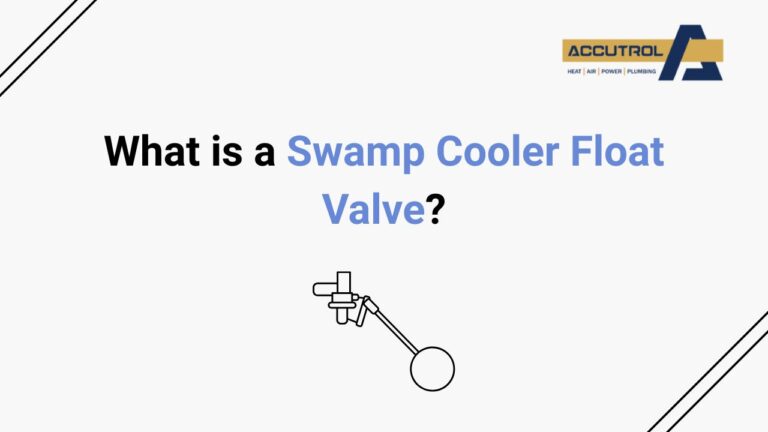
TL;DR: Swamp Cooler Float Valve A swamp cooler float valve controls the water level inside your unit If it fails, you can get overflow, poor cooling, or pump damage Most issues come from mineral...
TL;DR: How Often Should I Service an Air Conditioner in Colorado? Service an Air Conditioner at least once per year, ideally in the spring before summer heat arrives Colorado’s dry air, dust, and...
TL;DR: What to Do If Your AC Stops Working During a Heatwave Start with the basics: Check your thermostat, air filter, and breaker before assuming a major issue Control indoor heat fast: Block...

TL;DR: What Is the Best HVAC Company in Denver? The best HVAC Company in Denver is not the cheapest. It’s the one that gives you clear answers, upfront pricing, and consistent results. Most HVAC...

TL;DR: How Does an Air Conditioner Work? Air conditioners do not create cold air. They remove heat from inside your home and transfer it outside. Refrigerant is the key component that absorbs and...

TL;DR: How to Clean Swamp Cooler Pads Dirty pads = weak cooling. Mineral buildup and debris block airflow, which reduces performance and creates odors. Clean them the right way. Turn off power, remove...

TL;DR: What is a Power Surge and How Does it Happen? A power surge is a sudden spike in voltage that can damage your home’s electrical systems and appliances Most surges happen inside your home from...

TL;DR: How Often Should You Service a Furnace in Colorado? At least once per year is required but twice per year is often better for Colorado homes due to heavier system use Schedule furnace service...

TL;DR: Is a Swamp Cooler Better Than an Air Conditioner? Swamp coolers are cheaper but less consistent Air conditioners provide better comfort and control Dry climates help swamp coolers, but not all...

TL;DR: Furnace Filters Explained Furnace filters protect your system first, air quality second. Their main job is keeping dust and debris out of your HVAC equipment. Higher MERV is not always better...

TL;DR: Zoned Heating vs Ductless Mini-Split for Denver Homes Zoned heating uses your existing ducts to redirect airflow, while ductless mini-splits create independent temperature control in each room...

TL;DR: Get Your AC Ready for Summer Start with your air filter. A dirty filter is the #1 cause of poor airflow, higher bills, and system strain. Replace it every 1–3 months. Clean your outdoor unit...

TL;DR: Cracked Furnace Heat Exchanger A cracked furnace heat exchanger is a serious issue because it can allow carbon monoxide and harmful gases into your home Common signs include strange smells, a...

TL;DR: Tank vs Tankless Water Heater in Colorado Homes Tank water heaters store hot water and handle high simultaneous demand but can run out and use more energy over time. Tankless water heaters heat...

TL;DR: How Long Do Water Heaters Last in Colorado Most tank water heaters last 8–12 years, while tankless systems last 15–20 years. In Colorado, lifespan can be shorter due to hard water, cold...

TL;DR: Repair or Replace Your Furnace Repair if it’s under 10–12 years old and the issue is minor or a first-time fix Replace if it’s 15+ years old or breaking down frequently Follow the 50% rule: if...

TL;DR: Why Your Lights Flicker When the AC Turns On Having lights flicker when the AC turns on is usually normal. Air conditioner compressors pull a large burst of electricity when they start, which...

TL;DR: How to Prevent Frozen Pipes in Colorado Winters Keep your home warm. Set your thermostat to at least 55°F, even if you’re away, to keep pipes from freezing inside walls and crawlspaces...

TL;DR: Why Your Furnace Keeps Turning On and Off This problem is usually called short cycling. It happens when your furnace shuts off before finishing a normal heating cycle, which can lead to uneven...

TL;DR: Why is My Upstairs Hot in Summer Heat naturally rises, making upper floors warmer, especially in two-story Denver homes. Denver HVAC issues like undersized AC units, leaky ducts, and...

TLDR: How Does a Swamp Cooler Work? Swamp coolers work based on evaporation. Warm air passes through water soaked pads, the water evaporates, and heat is absorbed which lowers the air temperature...